

Table of Contents
- How to Spot Fake Clothing Websites Before You Buy
- Understanding Clothing Size Charts for a Perfect Fit
- Online Shopping Return Policy Best Practices
- Protecting Your Payment and Personal Data
- Setting a Budget and Building a Wish List
- Going Beyond the Basics: Fit Tech and Ethics
- Frequently Asked Questions
Last Updated: September 10, 2026
How to Spot Fake Clothing Websites Before You Buy
Buying clothing online starts with checking the URL, contact information, and payment page before you enter any details. With 65% of shopping journeys starting online, fake storefronts look increasingly real (zippia.com).
A safe site has an https:// URL with a valid padlock, a physical address and working phone number, clear return and shipping terms, off-site reviews, and a recognized secure payment gateway.
Phishing pages mimic brand login screens. If a link asks you to "re-enter your password to complete your order," close the tab and type the retailer's address yourself.
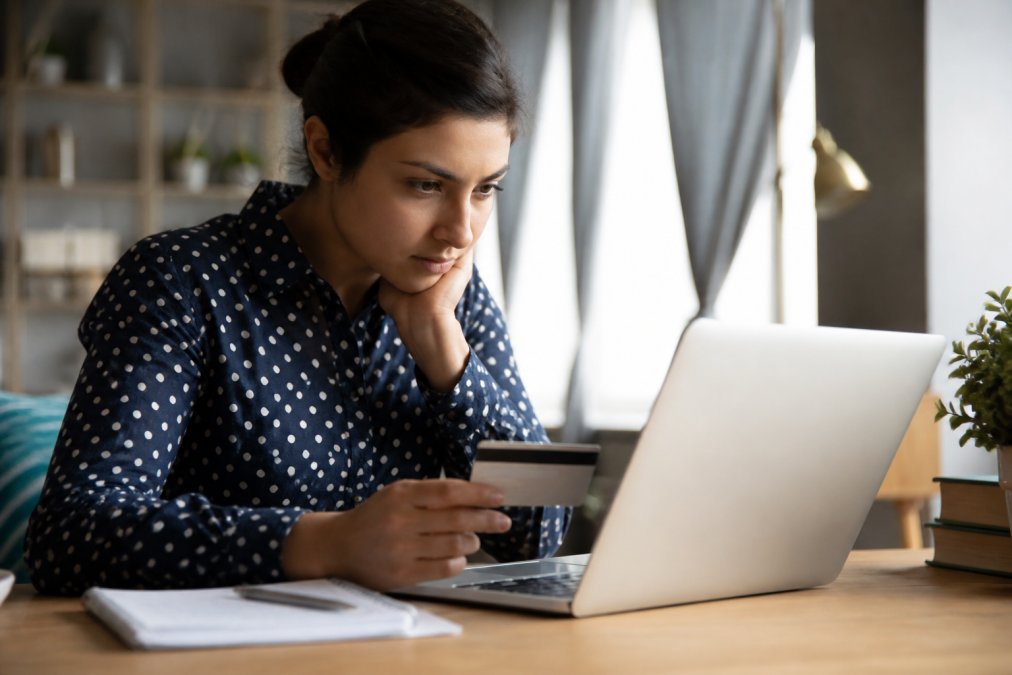
Understanding Clothing Size Charts for a Perfect Fit
Reading a clothing size chart correctly means measuring your body first, then matching those numbers to the brand's chart rather than assuming your usual size. Size and fit discrepancies are the leading reasons people return clothing bought online, so record your bust, waist, and hip before you shop (fitanalytics.com).
| Measurement | Where to Measure | Why It Matters |
|---|---|---|
| Bust | Around the fullest part | Determines top and dress fit |
| Waist | At the natural crease | Prevents gaping or pinching |
| Hip | Around the widest point | Decides skirt and pant fit |
| Inseam | From crotch to ankle | Controls pant length |
Use a sizing calculator when offered; otherwise compare your numbers against the chart and check fabric composition, since stretchy knits forgive more than woven cotton.
Online Shopping Return Policy Best Practices
The safest return policies are written clearly, give a defined window, and state who pays return shipping. Read that section and save a screenshot before you buy.
Retailers reduce returns with upfront fit and quality reviews, sizing calculators, and risk-free return policies. If a store offers none of the three, treat it as a warning sign.
A few habits make returns painless: note the return window on arrival, keep original packaging until you have tried everything on, and use tracked shipping as proof of return.
Protecting Your Payment and Personal Data
Secure checkout matters more than a flashy sale banner. A secure gateway encrypts your card details in transit, and two-factor authentication adds a second lock a stolen password cannot open.
More than 60% of global online spending flows through digital marketplaces, so keep a unique, strong password for each shopping account so one breach does not cascade into identity theft (researchgate.net).
Setting a Budget and Building a Wish List
A clothing budget works best when you set the number before you browse. Decide your monthly limit, then park items on a wish list for 48 hours so impulse buys cool off.
Experts argue the safest and most sustainable approach is to audit and use your existing wardrobe before buying anything new. That advice doubles as scam protection, since fewer transactions mean fewer chances to land on a fake store.
Going Beyond the Basics: Fit Tech and Ethics
Virtual try-on tools use your measurements or a phone scan to project how a garment will drape before it ships.
On the ethics side, verifying a brand's claims takes a few minutes. Look for a published supply chain page, third-party certifications, and specific fabric details rather than vague "eco-friendly" labels.
Coupon and price-tracking extensions can read everything on the pages you visit, so install only well-reviewed ones and remove anything you no longer use.
Frequently Asked Questions
What are the most important security measures when buying clothing online?
Always verify the website uses HTTPS and a secure checkout. Use a credit card for protection, create strong unique passwords, and enable two-factor authentication where available. Check for a real return policy and customer service contact. Research shows that prioritizing upfront reviews on fit and quality, plus using sizing calculators, helps reduce return rates and keeps your transactions safer.
How can I ensure the clothing I order will fit correctly?
Take accurate body measurements at home and compare them to the brand's specific size chart, not generic sizing. Look for customer reviews that mention fit and fabric composition. Many retailers now offer sizing calculators or virtual fitting tools. According to UX Planet, size and fit discrepancies are the top reason for online clothing returns, so measuring carefully is your best defense.
What should I look for in a clothing brand's return policy?
Look for a clear return window, free or low-cost return shipping, and a straightforward refund process. Bizrate Insights recommends risk-free return policies to reduce shopper hesitation. Check whether returns are accepted for sale items and how long refunds take. A good policy will be easy to find and written in plain language, not buried in fine print.
0 comments