

Table of Contents
- What to Look for in Sustainable Loungewear
- Sustainable Loungewear Fabrics Guide
- How to Care for Sustainable Loungewear
- Frequently Asked Questions
Last Updated: September 23, 2026
What to Look for in Sustainable Loungewear
When shopping for sustainable loungewear brands, focus on three core areas: material transparency, ethical manufacturing, and garment longevity. The global loungewear market is estimated to be valued at approximately USD 15.54 billion in 2026 (Business Research Insights market valuation report), yet most shoppers overlook the environmental cost of their purchases.
Sustainable loungewear brands prioritize natural and safe materials as a top trend for 2026 (Project Cece sustainable fashion trends). Look for certifications like GOTS certified (Global Organic Textile Standard) or OEKO-TEX standard, which verify non-toxic dyes and ethical production. These labels matter because they're third-party verified, not marketing speak.
Fabric durability matters most, a soft piece that loses shape after three washes isn't sustainable. Verify supply chain transparency and sweatshop-free manufacturing.
Size inclusivity and fit options reduce returns and textile waste. At Kimberly's Dream, we design loungewear with comfortable, relaxed fits that are flattering for all body types.
| Selection Criteria | Why It Matters | What to Look For |
|---|---|---|
| Material sourcing | Determines environmental footprint | Organic cotton, bamboo viscose, modal, Tencel |
| Certifications | Verifies claims | GOTS, OEKO-TEX, Fair Trade Certified |
| Garment construction | Affects durability | Reinforced seams, quality stitching, durable fabrics |
| Brand transparency | Shows accountability | Published supply chain info, manufacturing details |
Sustainable Loungewear Fabrics Guide
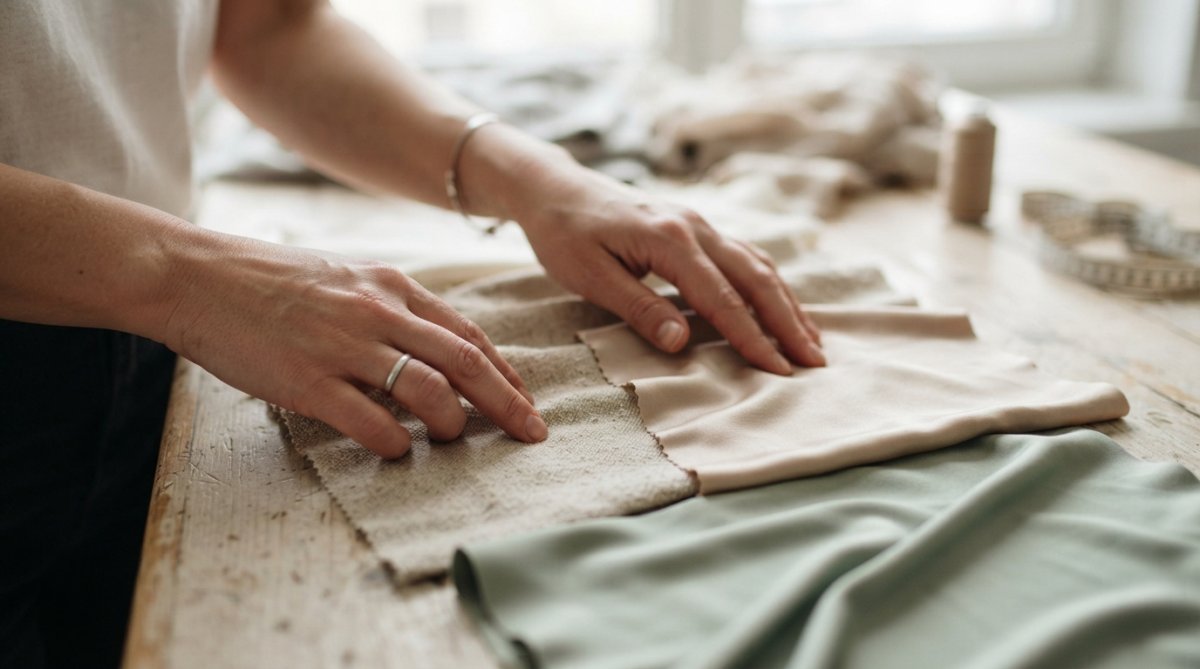
Organic cotton is the gold standard, grown without synthetic pesticides and using less water. Bamboo viscose, modal, and Tencel are plant-based, biodegradable alternatives.
Women's Premium Soft Sweatpants →
Research from National Center for Biotechnology Information on sustainable apparel design identified core elements of sustainable product design that influence consumer purchasing behavior. The most critical factor? Fabric performance. A piece that pills after five wears or loses elasticity isn't sustainable, it ends up in a landfill within months.
Modal excels at moisture-wicking, organic cotton provides year-round breathability, and a cotton-modal blend offers durability and comfort.
How to Care for Sustainable Loungewear
Extend garment longevity by washing in cold water with gentle detergent, avoiding fabric softeners, and air-drying.
When a piece wears out, check for brand take-back programs or donate to secondhand shops.
Finding the right sustainable loungewear brands means balancing comfort, style, and environmental responsibility. Kimberly's Dream offers durable loungewear options, like our Women's Premium Soft Sweatpants, designed with durable construction that holds up wash after wash. Choose comfort that lasts with pieces like our Women's High-Quality Fleece Sweatpants, built to last through regular washing and wearing.
Women's Premium Soft Sweatpants →

Frequently Asked Questions
What makes sustainable loungewear brands different from regular loungewear?
Sustainable loungewear brands prioritize organic cotton, bamboo viscose, modal, and Tencel fabrics over synthetic materials. They implement ethical manufacturing practices, ensure fair labor standards, and focus on reducing carbon footprint throughout production. According to the National Center for Biotechnology Information, sustainable apparel product design centers on non-toxic dyes, supply chain transparency, and garment longevity, qualities that extend the life of your loungewear and reduce textile waste over time.
How do I identify truly sustainable loungewear brands?
Look for certifications like GOTS (Global Organic Textile Standard) and OEKO-TEX standards, which verify non-toxic dyes and safe manufacturing. Check if brands publish supply chain transparency details and fair trade certification. Brands that share detailed information about their production methods, material sourcing, and labor practices are more likely to be genuinely committed to ethical loungewear production.
What fabrics are considered the most sustainable for loungewear?
Organic cotton, bamboo viscose, modal, and Tencel are top sustainable choices. Organic cotton avoids harmful pesticides, while bamboo viscose and modal offer excellent breathability and moisture-wicking properties. Tencel uses closed-loop production, minimizing water waste. These natural fabrics are biodegradable, hypoallergenic, and reduce microplastic shedding compared to synthetic alternatives. Project Cece identified natural and safe materials as a top sustainable fashion trend for 2026, reflecting growing consumer demand for loungewear that balances comfort with environmental responsibility.
How should I care for sustainable loungewear to extend its lifespan?
Wash in cold water with gentle, eco-friendly detergents to preserve fabric integrity and reduce energy use. Air-dry whenever possible rather than using high heat, which can damage delicate natural fibers. Turn garments inside out before washing to minimize pilling and fading. Avoid bleach and fabric softeners that can break down sustainable fabrics. Proper care extends garment longevity, reducing the need for frequent replacement and supporting the circular fashion model that sustainable loungewear brands promote.
0 comments