

Table of Contents
- Start With the Fabric: How to Check Fabric Quality
- Look Inside: How to Inspect Garment Construction
- Signs of Poor Quality Clothing to Walk Away From
- Conclusion: Choose Quality That Lasts
- Frequently Asked Questions
Last Updated: September 5, 2026
Synthetic fibers currently make up 69% of all materials used in clothing production, a figure projected to climb to 73% by 2030 according to [Uniform Market's 2026 fast fashion(/blogs/news/how-to-avoid-fast-fashion-clothing) statistics | uniformmarket.com]. That shift matters because it means knowing how to tell if clothing is high quality now requires more than a quick glance at a price tag. This guide from Kimberly's Dream walks you through the fabric, stitching, and finishing details that separate durable pieces from those that won't survive the season. We'll show you exactly what to inspect before you buy, whether you're shopping in person or scrolling online.
High-quality clothing is defined by its fulfillment of use-case requirements, immediate sensory impressions, and individual perception, as documented in Taylor & Francis research on experts' views of clothing quality. In simpler terms, a garment earns the label when the materials, construction, and details all work together for how you'll actually wear it. Below, we break down the five physical checks that reveal a piece's true lifespan.
Start With the Fabric: How to Check Fabric Quality
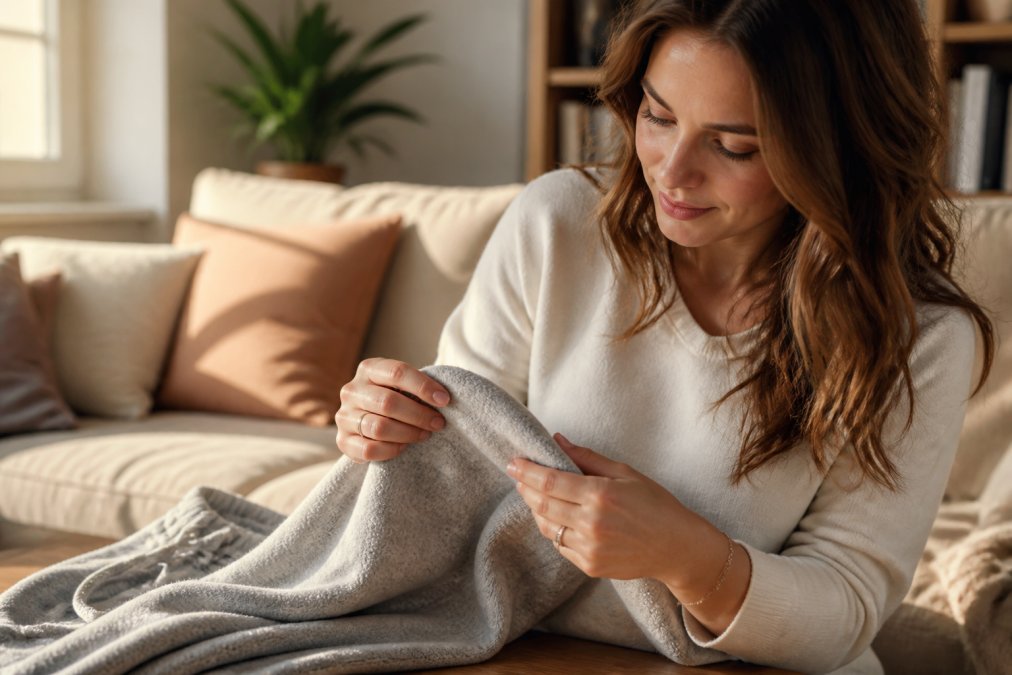
Fabric quality is the foundation of garment durability, and the first test is simple: feel the weight and density of the material in your hands. Higher-quality fabrics have a substantial hand-feel and tight weave, while thin, flimsy materials often signal lower tensile strength and a short lifespan. Experts consistently rank cotton as the top fiber for quality, with 59% of consumers rating it the "best quality" material in a 2026 Cotton Incorporated survey, according to Cotton Incorporated's Global Lifestyle Monitor survey.
Hold the material up to the light to check for gaps in the weave. A quick wrinkle test also helps: crush the fabric in your fist. High-quality natural fibers recover their shape, while low-grade synthetics hold the mark.
Look Inside: How to Inspect Garment Construction
The inside of a garment reveals more than the outside ever will. As fashion experts note, "Does it look as good on the inside as it does on the outside? If so, it's a good indication you've got a decent quality garment" (NPR, 2026). Turn the piece inside out and examine the seams, which should be flat-felled or bound rather than left with raw edges.
Quality garments use 8 to 12 stitches per inch. Buttons should be anchored with thread shanks, and buttonholes should have dense, clean stitching. Look for reinforcement at stress points like the crotch and underarms, plus interfacing in collars and cuffs.
| Quality Check | What to Look For | Red Flag |
|---|---|---|
| Seams | Flat-felled or bound, 8-12 stitches per inch | Raw edges, loose threads, low stitch count |
| Hardware | Reinforced buttonholes, thread shanks | Plastic buttons, thin metal, weak anchoring |
| Lining | Full lining in structured pieces | No lining, visible interior fraying |
| Grainline | Pattern aligns straight on both sides | Twisted or misaligned side seams |
Signs of Poor Quality Clothing to Walk Away From
Several clear indicators should end your consideration immediately. Misaligned patterns at the seams, puckered stitching, and transparent fabric when held to light all point to rushed production, often from cheap polyester blends that pill and lose shape within a few washes (Uniform Market, 2026).
Poor quality also reveals itself through uneven hems and mismatched plaids at the side seams. Check the care label, since garments that require dry cleaning despite a mid-range price often cut corners on fabric pre-treatment.
Conclusion: Choose Quality That Lasts
Quality clothing ultimately comes down to materials, construction, and honest evaluation of how each piece performs for your lifestyle. The McKinsey State of Fashion 2026 report confirms that high-net-worth shoppers now prioritize product quality and craftsmanship above nearly everything else, a standard worth adopting regardless of budget (McKinsey's State of Fashion 2026 report(https://www.mckinsey.com/industries/retail/our-insights/state-of-fashion)). Learning how to tell if clothing is high quality takes practice, but the fabric and stitching checks above give you a reliable starting point for every purchase.
Brands that prioritize durable construction and transparent production make this easier, and that's the standard we hold at Kimberly's Dream. Our Women's High-Quality Fleece Sweatpants exemplify this approach, featuring high-quality fleece fabric that stays soft through repeated washing and a flattering fit built to last. Choose Kimberly's Dream for loungewear and apparel that balances elegant design with the everyday durability you deserve.

Frequently Asked Questions
What are the tell-tale signs of high-quality stitching?
Look for tight, even stitches with a high stitch count, about 8 to 12 per inch. High-quality garments use flat-felled or bound seams that lie flat and resist fraying. Check that seams are straight, secure, and reinforced at stress points like the crotch and underarms. Avoid clothing with loose threads, skipped stitches, or raw edges, as these are signs of poor quality clothing that will fall apart quickly.
Why is natural fiber content often associated with better quality?
Natural fibers like cotton and wool are often linked to higher quality because they are more breathable, durable, and comfortable than many synthetics. A 2026 Global Lifestyle Monitor survey found 59% of consumers rate cotton as the best quality fiber. With 69% of fibers used today being synthetic, checking the label for natural materials is a quick way to assess fabric quality and predict how well a garment will hold up over time.
How can I tell if a garment will shrink or lose its shape?
Check the fabric composition and care label before buying. Natural fibers like cotton can shrink if not pre-shrunk, while low-quality synthetic blends may pill or lose their shape. Look for garments labeled pre-shrunk or made with high fabric density, which resists distortion. When you inspect garment construction, pull gently on the fabric; a high-quality weave will spring back, while a poor one will stay stretched out.
This article was written using GrandRanker
0 comments