

Table of Contents
- Understanding Fast Fashion and Its Real Cost
- How to Build a Capsule Wardrobe That Lasts
- How to Care for Clothes to Make Them Last Longer
- Secondhand Shopping Tips and Ethical Brand Selection
- Frequently Asked Questions
Last Updated: September 1, 2026
Understanding Fast Fashion and Its Real Cost
The fashion industry is responsible for 10% of the global annual carbon footprint, more than all international flights and maritime shipping combined (UniformMarket, 2026) (uniformmarket.com). Yet most of us don't think twice when discarding worn clothes or impulse-buying new outfits. Avoiding fast fashion isn't just an environmental issue, it's about making smarter financial and wardrobe choices.
Fast fashion thrives on disposability. The average American discards 81.5 pounds of clothing annually, with most garments worn only 7-10 times before disposal (Rawshot.ai, 2026). Understanding the real cost, both financial and environmental, is the first step toward breaking this cycle.
Environmental Impact of Fast Fashion Statistics shows the fast fashion industry valued at $150.82 billion, projected to reach $291.1 billion by 2032. The problem isn't scale alone; it's the mindset that price is the only decision factor. Avoiding fast fashion isn't about shopping less, it's about shopping smarter and making each piece count. 📊
How to Build a Capsule Wardrobe That Lasts
A capsule wardrobe is a curated collection of versatile, high-quality pieces that work together for years. Instead of chasing trends, invest in neutral basics and timeless styles that transcend seasons, directly addressing overconsumption and waste.
Start by identifying your personal style and lifestyle needs. What colors make you confident? What activities dominate your week? Once clear, select 20-30 core pieces: classic sweaters, well-fitting jeans, neutral tees, and quality outerwear. Brands like Kimberly's Dream offer durable pieces like the Women's Asymmetric Knitted Sweater that serve as versatile foundations for a sustainable wardrobe.

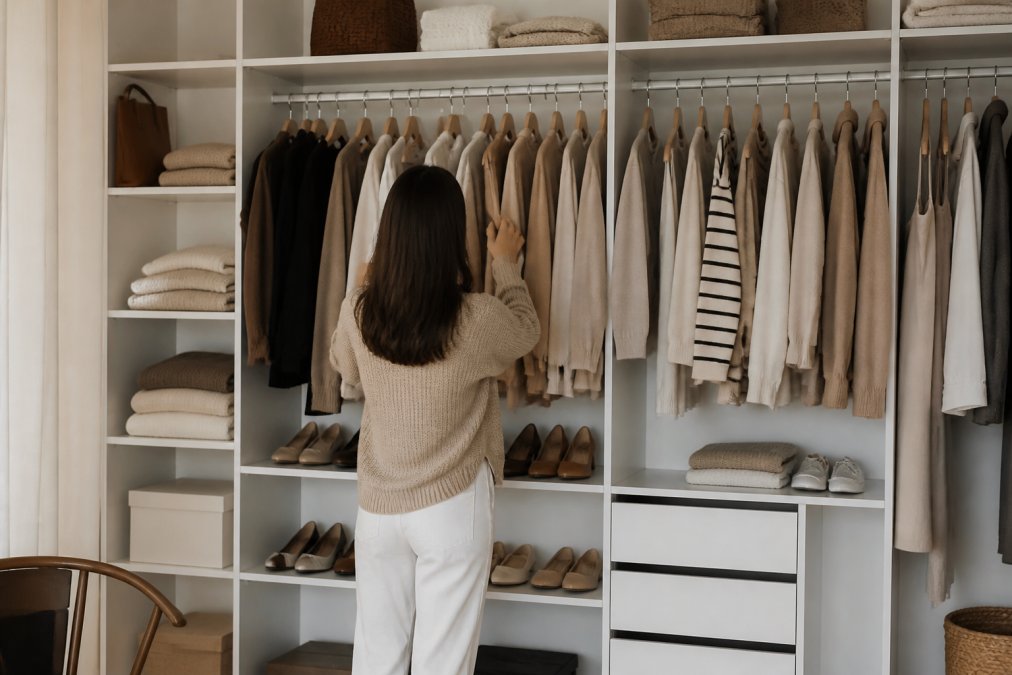
Build a wardrobe where every piece coordinates with others. This reduces decision fatigue, saves money, and ensures you wear what you own. The average person wears only 20% of their clothes regularly; a capsule wardrobe fixes that by design. 🎯
How to Care for Clothes to Make Them Last Longer
Proper garment care is sustainable fashion's secret weapon. Washing less frequently, using cold water, and air-drying extends fabric life dramatically. Most clothing damage comes from careless laundering, not wear.
Read care labels and follow them. Use gentle detergents and avoid fabric softeners, which break down fibers. Fold delicate items instead of hanging them. For sweaters, store flat to prevent shoulder bumps. Repair tears immediately, a small hole takes five minutes to mend; a large one requires professional tailoring.
The cost-per-wear calculation reveals the truth: a $50 sweater worn 100 times costs $0.50 per wear, while a $15 fast fashion piece worn five times costs $3 per wear. Quality pieces are cheaper long-term. 💡
Secondhand Shopping Tips and Ethical Brand Selection
Secondhand shopping is booming, expected to grow 2-3 times faster than traditional retail by 2027 (IFA Paris, 2026). Thrift stores, consignment shops, and online resale platforms offer quality pieces at fraction of retail price while keeping clothes from landfills.
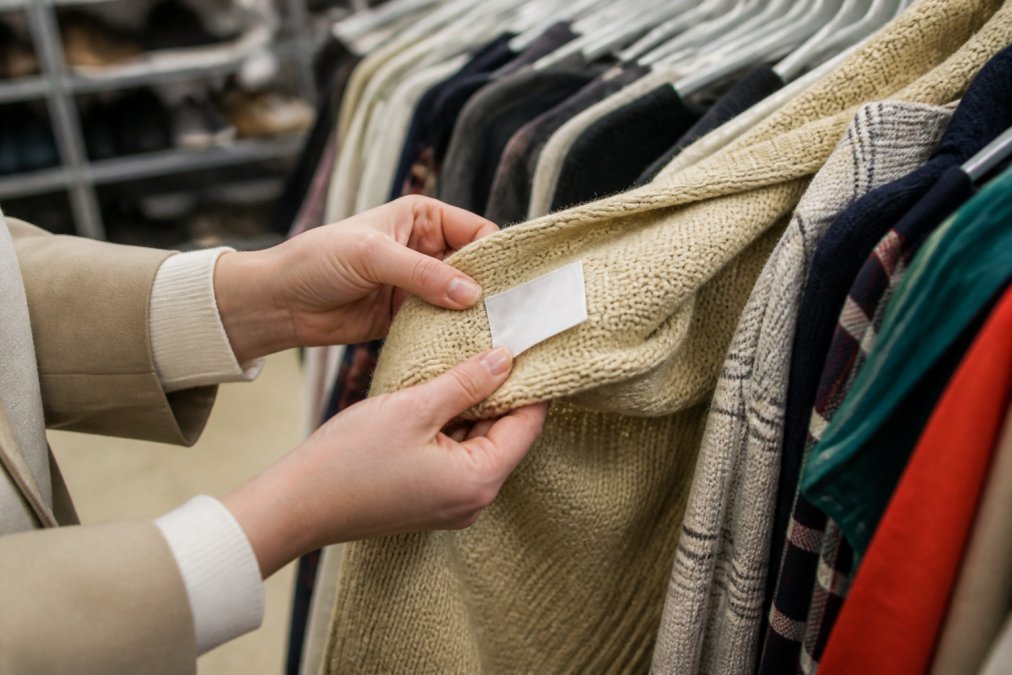
When shopping secondhand, inspect items thoroughly. Check seams, zippers, and fabric for damage. Look for natural fibers like cotton, linen, and wool, which last longer than synthetics. Avoid permanent damage unless you plan to upcycle.
For new purchases, research brands' supply chain transparency and labor practices. According to Fashion Revolution's research on supply chain transparency, 67% of consumers want to know where products are made. Support companies aligned with your values, it's your most powerful vote. ✨
Avoiding fast fashion requires intentional choices with undeniable payoffs: a closet you love, money saved, and reduced environmental guilt. Build your capsule wardrobe with pieces designed to last, care for them properly, explore secondhand options, and support ethical brands. When refreshing your basics with quality pieces that balance style and comfort, explore Kimberly's Dream's collection of elegant, durable apparel designed to become wardrobe staples you'll wear for years.
Frequently Asked Questions
What is the environmental impact of fast fashion?
Fast fashion accounts for 10% of global carbon emissions annually, exceeding the combined emissions from international flights and maritime shipping. The average person discards about 81.5 pounds of clothing yearly, and garments are worn only 7 to 10 times before disposal, a 35% decline in wear frequency over 15 years. Only 1% of used clothing gets recycled into new garments, creating massive textile waste. The industry's carbon footprint is projected to increase by 50% over the next eight years without significant changes in consumer behavior and production practices.
How do I calculate cost-per-wear to avoid fast fashion?
Cost-per-wear divides the price of an item by the number of times you'll realistically wear it. A $50 sweater worn 100 times costs 50 cents per wear; a $20 shirt worn only 5 times costs $4 per wear. Higher-quality pieces with longer lifespans often have lower cost-per-wear despite higher upfront prices. This calculation helps you shift from cheap-seeming purchases to genuine value, revealing that durable clothing actually saves money long-term. Track your favorite pieces to understand your personal wear patterns and make better purchasing decisions.
What should I look for in an ethical fashion checklist?
Check for transparent supply chains, fair labor certifications, and sustainable material sourcing. Look for brands disclosing manufacturing locations and worker conditions. Verify use of natural fibers like organic cotton or regenerated materials rather than virgin synthetics. Confirm certifications from recognized bodies. Research brand commitments to reducing water use and chemical waste. Read customer reviews about garment durability and longevity. Avoid brands making vague 'eco-friendly' claims without specific third-party verification. Prioritize smaller, transparent brands over large corporations making generic sustainability promises.
This article was written using GrandRanker
0 comments